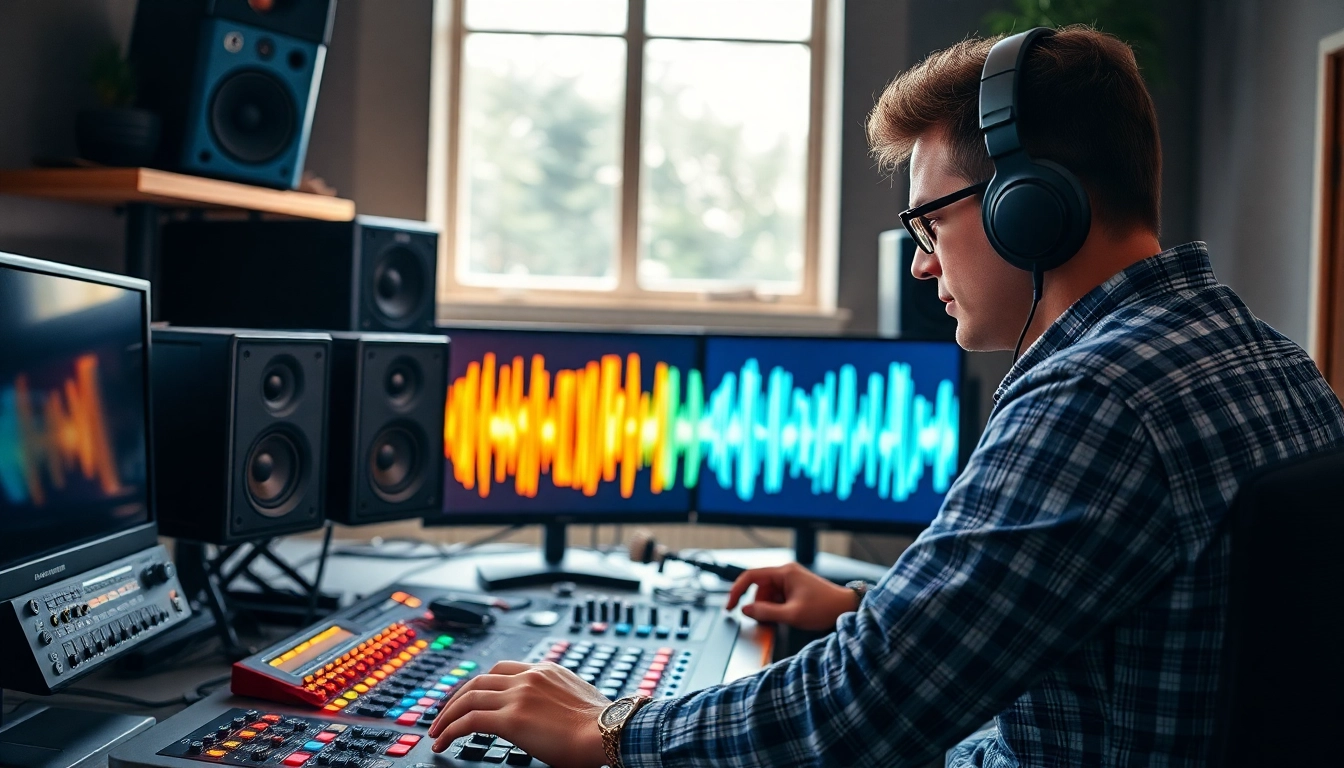
Understanding Online Audio Mastering
What is Online Audio Mastering?
Online audio mastering is the final step in the audio production process, where tracks are polished and fine-tuned for distribution. Unlike mixing, where individual sound elements are balanced, mastering focuses on the overall sound of the track, ensuring it translates well across different sound systems. This process involves preparing the audio for formats suitable for streaming, vinyl, CD distribution, and more, providing an optimal listening experience.
Benefits of Online Audio Mastering
The advantages of employing online audio mastering services are numerous. First, these services typically offer greater accessibility, allowing artists and producers to send and receive audio files quickly from anywhere in the world. The convenience of online platforms also means that users can often access a wider variety of mastering tools and expertise than they might find locally.
Moreover, online services are often scalable to different budgets, making high-quality mastering accessible for aspiring artists. Many platforms use advanced algorithms and professional sound engineers to enhance audio tracks, ultimately leading to a polished final product that stands up in a competitive market.
Key Features to Look For
When choosing an online audio mastering service, certain features can define the quality of your experience. Look for:
- Professional Expertise: Services that employ experienced mastering engineers can provide insights and fine-tuning that algorithms alone cannot offer.
- Comprehensive Feedback: Detailed reports on what adjustments were made can help you understand the mastering process better.
- Multiple Format Options: Ensure the service can deliver files in various formats tailored for your distribution needs.
- User-Friendly Interface: A straightforward and intuitive platform makes the process more efficient.
The Online Audio Mastering Process
Step-by-Step Guide to Mastering
The online audio mastering process can be broken down into several key steps:
- Select a Service: Choose a service that meets your needs based on your genre, budget, and desired level of expertise.
- Upload Your Track: Most platforms allow you to drag and drop your audio files directly, along with any specific instructions or references.
- Initial Review: Some services may provide a preliminary evaluation or suggestions based on your submitted track.
- Mastering Process: The engineers or algorithms will enhance the audio by adjusting levels, equalization, compression, and adding any desired effects.
- Receive Your Mastered Track: Download your track in the format of your choice and assess its quality.
- Feedback and Revisions: Many services offer a round of feedback where you can request adjustments.
Common Techniques Used in Online Audio Mastering
Online mastering typically utilizes a variety of techniques to achieve the best possible sound:
- Equalization (EQ): This involves adjusting frequency levels to ensure your track sounds balanced and clear across different playback systems.
- Compression: Dynamic range compression smooths out volume levels, preventing peaks that may distort while allowing softer moments to shine.
- Limiting: A critical step for maximizing volume without clipping, this ensures that your track can be as loud as competitors while maintaining clarity.
- Stereo Enhancement: Techniques to widen the stereo field can make the track feel more immersive.
Critical Tools for Mastering Your Audio
While the mastering process can be conducted within an online platform, having access to certain tools can enhance your overall experience and results. Key tools include:
- DAWs: Digital Audio Workstations are essential for editing and preparing tracks before mastering.
- Audio Analysis Tools: These help in visualizing the frequency spectrum and dynamics of your track, allowing for better adjustments.
- Reference Tracks: Having tracks from similar genres as a reference point can greatly aid in achieving the desired sound quality.
- Plugins: Specialized mastering plugins can add finishing touches to your tracks for optimal sound.
Choosing the Right Online Audio Mastering Service
Identifying Your Needs and Expectations
Before selecting an online audio mastering service, it’s important to articulate your needs clearly. Consider factors like your budget, the genre of your music, and whether you need a basic mastering or a more involved, nuanced approach. Setting clear expectations regarding turnaround time and revision policies can also significantly impact your satisfaction with the process.
Comparing Features and Pricing
Different online audio mastering services offer a range of features at varying price points. Look out for:
- Pricing Structure: Some services charge per track, while others may offer subscription models.
- Turnaround Time: Ensure the service can meet your deadlines, particularly if you’re preparing for a release.
- Quality Guarantees: Some platforms offer free trials or guarantees that you can request alterations if you’re unsatisfied.
Reading User Reviews and Testimonials
User feedback is an invaluable resource when selecting a mastering service. Check platforms such as forums, social media, and the service’s own site for reviews. Look for comments on the quality of the audio, the responsiveness of customer service, and the overall user experience. This can provide insight that is not always visible from the service’s marketing materials.
DIY Online Audio Mastering Tips
Best Practices for Self-Mastering
If you choose to master your own tracks, consider these best practices:
- Take Breaks: Allow your ears to rest to avoid fatigue, which can skew your perception of the mix.
- Use High-Quality Monitors: Accurate speakers or headphones are essential for precisely hearing what you’re mastering.
- A/B Testing: Compare your track with reference tracks frequently to ensure you’re on the right path.
- Export at Correct Levels: Always ensure your final export levels are appropriate for your distribution format.
Common Mistakes to Avoid
When mastering audio, it’s easy to make mistakes that can detract from sound quality. Avoid the following:
- Over-Compression: Too much compression can flatline tracks and strip them of dynamic range.
- Ignoring Loudness Standards: Familiarize yourself with loudness levels for various streaming platforms to ensure compatibility.
- Skipping Context Listening: Always listen to your track on multiple systems to assess how it translates in various environments.
Utilizing Software Tools Effectively
Numerous software tools can help enhance the mastering process. Popular options include plugins for EQ, reverb, and limiter effects. When using software, ensure:
- Familiarization: Spend time learning the software, as understanding its capabilities will increase your effectiveness.
- Maintaining A Balanced Workflow: Organize your processing chain so that it flows logically from EQ to compression to limiting.
- Semi-Automation: Use automation features in your DAW to make responsive changes that can enhance your mix dynamically.
Measuring Success in Online Audio Mastering
Key Performance Indicators for Mastering
To determine the effectiveness of your audio mastering, consider these key performance indicators:
- Loudness Level: Check if your track meets loudness standards for playlists and streaming services.
- Dynamic Range: A healthy dynamic range is essential for a professional-sounding mix.
- Frequency Balance: Ensure all frequencies are represented adequately and nothing dominates excessively.
Case Studies of Successful Tracks
Examining successful case studies can provide practical insights into effective mastering strategies. For example:
- Track A: After restructuring fundamental frequency balances and applying subtle dynamic adjustments, the track achieved significant commercial success due to its appealing overall sound.
- Track B: Focusing on loudness and presence during mastering allowed this track to excel on streaming platforms, securing a spot on popular playlists.
Continuous Improvement Through Feedback
Continual learning is essential in audio mastering. Engaging with listeners, taking constructive criticism to heart, and actively seeking feedback on your mastered audio can drive vast improvements. Establishing connections with fellow artists or audio engineers for collaborative critiques can also enhance your skillset significantly.
Frequently Asked Questions
What is online audio mastering?
Online audio mastering is the final step in audio production, where tracks are polished and balanced for distribution.
How does online audio mastering differ from mixing?
Mixing combines multiple audio tracks into one, while mastering prepares that mixed track for release.
Can I master my music online for free?
Yes, some platforms offer free mastering services, but paid options often provide superior quality.
What should I expect from an online audio mastering service?
You should expect enhanced sound quality, consistent levels, and formats suitable for distribution.
How long does the online audio mastering process take?
Depending on the service, it can range from a few hours to a few days based on complexity and service type.