Understanding the Pergola Configurator Landscape
The concept of a pergola configurator has revolutionized how homeowners and businesses approach outdoor design. No longer are clients limited to pre-designed structures; instead, they can take advantage of cutting-edge technology that allows them to visualize their ideal pergola before making any commitments. When exploring options, pergola configurator tools provide comprehensive insights, enabling users to customize every detail of their project. In this article, we will delve into the intricacies of pergola configurators, the advantages they offer, the essential features to consider, and much more.
What is a Pergola Configurator?
A pergola configurator is an interactive software tool that allows users to design and visualize pergolas online. Typically available as part of a website offering outdoor structures, these configurators provide a virtual interface through which customers can select size, shape, materials, colors, and various features specific to their preferences. Users can often view their selections in 3D, providing a realistic preview of what their customized pergola will look like in their outdoor space.
Benefits of Using a Pergola Configurator
- Enhanced Visualization: 3D renderings allow users to see exactly how their pergola will fit within their environment.
- Customization: Users can tailor features such as dimensions, materials, and additional accessories, ensuring the design meets their specific needs.
- Cost-Effectiveness: By allowing for detailed planning, configurators help avoid costly design changes during the construction phase.
- User-Friendly: Most configurators are designed with a straightforward interface that makes the design process accessible even to non-technical users.
Key Features to Look for in a Configurator
When considering which pergola configurator to use, it’s essential to look for specific features that enhance the user experience. Key features include:
- 3D Visualization: Look for options that offer high-quality 3D models that can be rotated and viewed from different angles.
- Material and Color Selection: Users should be able to select from a variety of materials, such as wood, aluminum, or vinyl, along with an extensive color palette.
- Size Adjustability: The configurator should allow users to input specific measurements to ensure the pergola fits perfectly in the intended space.
- Real-Time Pricing: Look for configurators that provide real-time cost estimates as options are selected, helping users stay within budget.
- Accessory Options: Features like integrated lighting, fans, and privacy screens should be customizable.
Choosing the Right Style for Your Outdoor Space
Selecting the appropriate style for your pergola is a crucial step in ensuring that it complements your outdoor space. With various designs available, understanding current trends and personal preferences is essential.
Popular Pergola Designs for Modern Homes
Modern pergolas often reflect sleek and minimalist designs, featuring materials such as aluminum and composite wood. Some popular styles include:
- Louvered Pergolas: These offer adjustable slats that allow users to control sunlight and ventilation.
- Attached Pergolas: Designed to attach to existing structures, these are perfect for expanding usable outdoor space.
- Free-Standing Pergolas: Ideal for creating a distinct outdoor space, these structures can be placed in gardens, patios, or backyards.
Incorporating Functionality into Design Choices
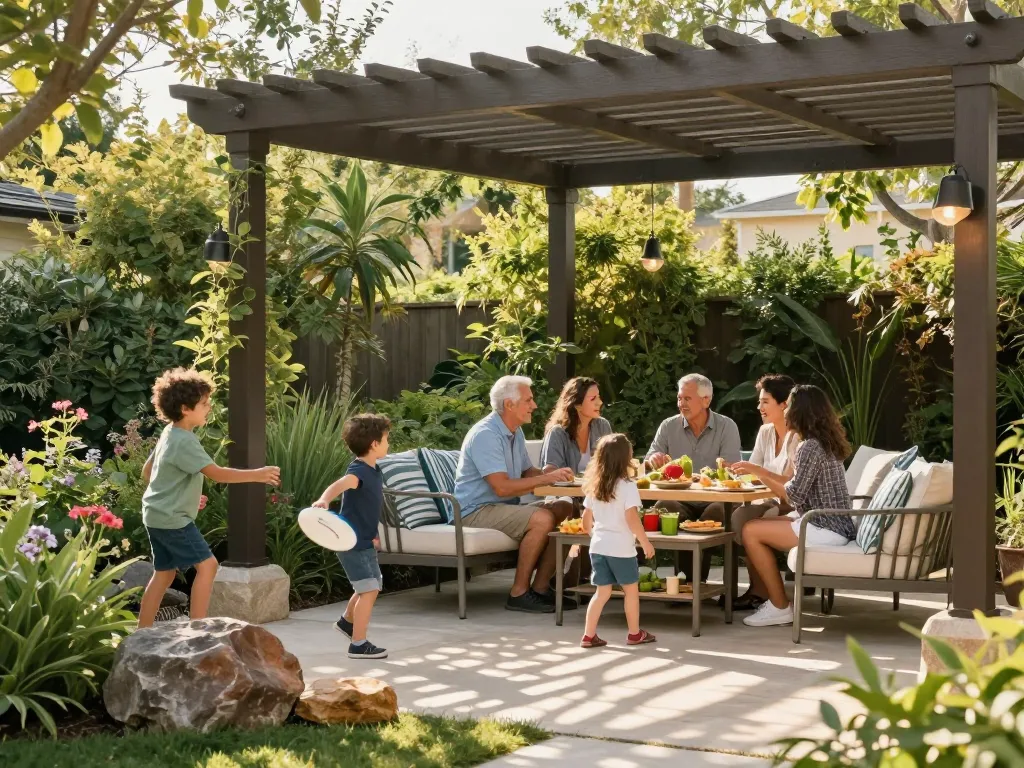
Functionality should be at the forefront of your design choices. Consider how you intend to use the pergola. Will it serve as a shaded relaxation area, an outdoor dining space, or a garden feature? By addressing these questions, you can tailor your design effectively.
Color and Material Considerations
The color and material of your pergola impact both aesthetics and functionality. Light colors may help reflect heat, making them ideal for warmer climates, while darker colors can create a striking visual element. Materials such as aluminum offer durability and low maintenance, while treated wood can provide a classic, warm look. Your choice should factor in local weather conditions and personal style preferences.
Step-by-Step Guide to Using a Pergola Configurator
Getting started with a pergola configurator can seem daunting, but breaking down the process into understandable steps can simplify the experience.
Initial Setup and User Registration
Most configurators require users to create an account. This registration process typically involves providing a name, email address, and password. Once registered, users can save their designs for future edits, making it easier to return to an ongoing project.
Navigating Design Options and Custom Features
Once logged in, users can begin navigating the configurator interface. Most tools will guide you through initial parameters such as the size of the pergola, followed by options for materials, colors, and additional features. Pay close attention to the 3D visualization as you adjust these settings.
Finalizing Your Design and Placing an Order
After customizing your design, the configurator will provide a summary, including a cost estimate. This is an opportune moment to review the design and make any last-minute adjustments. Once satisfied, users can typically place an order directly through the configurator, often providing options for delivery and installation as well.
Real-World Applications of Pergola Configurators
Pergola configurators are not just theoretical tools; they have been successfully implemented in numerous real-world projects, showcasing their value across different contexts.
Case Studies: Successful Projects
Many companies have embraced configurators to enhance customer satisfaction. For example, one home improvement retailer reported a 25% increase in outdoor structure sales after implementing a configurator that allowed customers to visualize their projects better.
Common Challenges and Solutions in Design
While using a configurator can simplify design, challenges still arise. For instance, users may initially find it difficult to gauge proportions. To combat this, integrating tutorials or guides within the configurator can significantly enhance user experience.
Customer Testimonials and Experiences
Feedback from users often highlights the ease and satisfaction that comes from visualizing their designs. Customers appreciate having the freedom to explore multiple options without feeling rushed, which leads to more thoughtful design choices.
Future Trends in Pergola Configuration for 2026
As technology continues to evolve, so too will the capabilities of pergola configurators. Staying informed about upcoming trends can help users and manufacturers alike prepare for changes in the marketplace.
Emerging Technologies in Online Configurators
Future configurators may incorporate augmented reality (AR) to offer a more immersive experience. Users could use their mobile devices to superimpose designs onto their actual outdoor spaces, bridging the gap between virtual design and real-life placement.
Eco-Friendly Materials and Sustainable Practices
An increasing number of customers are prioritizing sustainability in their purchasing decisions. Expect to see configurators providing options for eco-friendly materials, such as reclaimed wood and recycled metals, as well as information about the manufacturing process.
Adapting Designs for Climate Resilience
As climate change continues to impact weather patterns, pergola designs will need to adapt. Configurators may start to include features that enhance resilience, such as advanced drainage systems or materials designed to withstand extreme weather conditions.
How does a pergola configurator work?
A pergola configurator operates through an online interface where users can input their specifications and visualize the design in real time using 3D models.
What features should I prioritize in a pergola configurator?
Key features include 3D visualization, material selection, real-time pricing, and accessory customization options to meet specific user needs.
Can I customize my pergola design completely?
Yes, most configurators allow for a high degree of customization, enabling users to adjust size, style, materials, and more.
Are there any free pergola configurators available?
Many companies offer free configurators, although some might restrict certain features unless a subscription or purchase is made.
What are the latest trends in pergola designs for 2026?
Expect to see increased use of sustainable materials, integration of smart technology, and designs that prioritize climate resilience as trends in 2026.