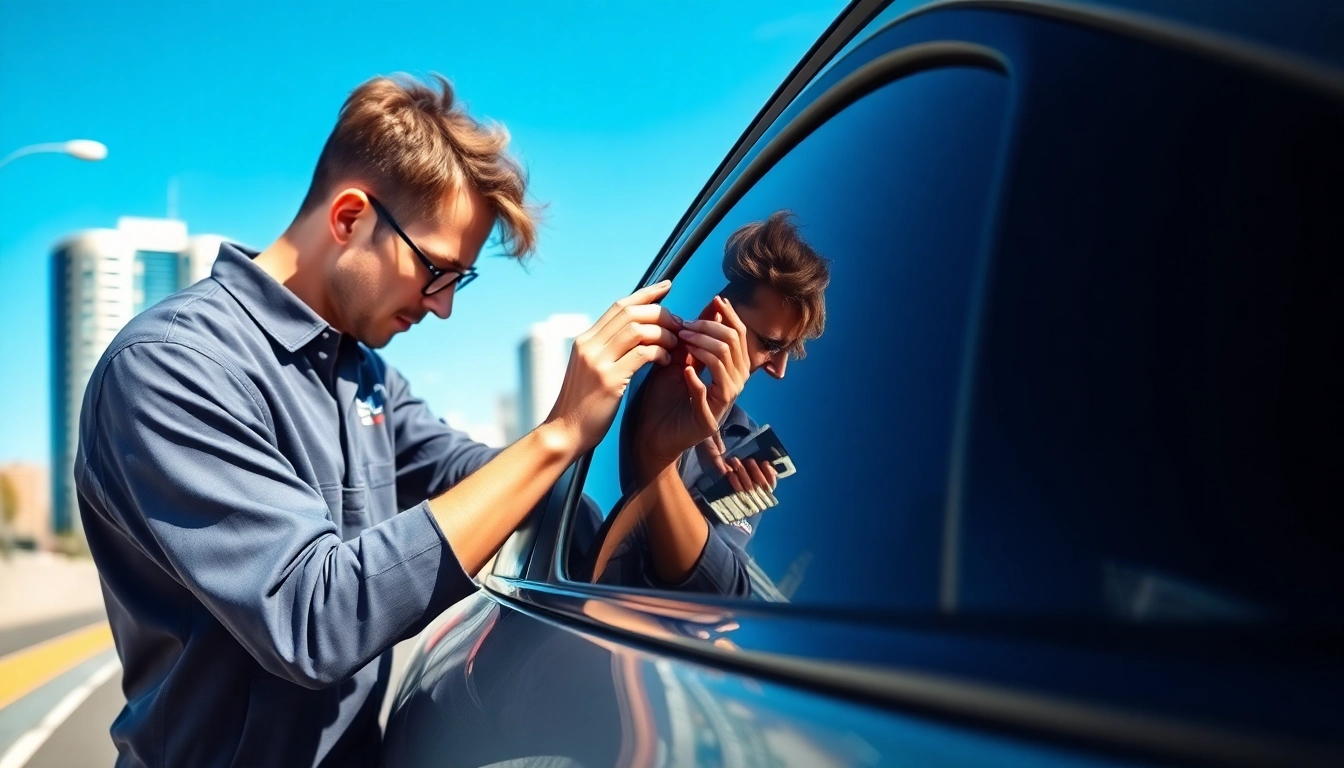
Understanding the Basics of Window Tint Near Me
What is Window Tinting?
Window tinting is the process of applying a thin film to the glass surfaces of vehicles, homes, or offices to enhance privacy, reduce glare, and block harmful UV rays. This film comes in various shades and types, serving both aesthetic and functional purposes. By filtering sunlight and controlling heat, window tints can improve comfort and protect interiors from fading.
Benefits of Window Tinting
Applying window tint offers numerous advantages, including:
- UV Protection: Blocking up to 99% of harmful ultraviolet rays helps prevent skin damage and prolongs the life of upholstery and interiors.
- Heat Reduction: Tint films can significantly lower temperatures inside vehicles and homes, leading to reduced air conditioning costs.
- Enhanced Privacy: Tinted windows limit visibility from the outside, providing an added sense of security for occupants.
- Glare Reduction: Tinted windows can reduce glare from the sun, making driving and daily activities more comfortable.
- Aesthetic Appeal: A well-chosen tint enhances the look of a vehicle or property, adding a stylish touch.
Common Types of Window Tint
Several types of window tint are available, each catering to different needs and preferences:
- Dyed Window Film: This basic type of tint includes a dye layer that absorbs solar heat but does not have reflective capabilities. It’s budget-friendly and ideal for privacy.
- Metalized Window Film: This film contains metal particles that reflect heat and UV rays, increasing durability. It provides better performance than dyed options but may interfere with electronic devices.
- Carbon Window Film: Carbon tint offers significant UV protection and heat reduction without the reflective properties of metalized films. Its color remains stable over time, preventing fading.
- Ceramic Window Film: This premium option is made of ceramic particles that offer superior heat reduction and UV blockage without the reflective surface. It’s scratch-resistant and ideal for high-end vehicles.
- Reflective Window Film: A highly reflective option that provides excellent heat rejection and privacy during the day. However, it can create a mirror effect at night.
Choosing the Right Window Tint Near Me
Factors to Consider in Tint Selection
When searching for window tint near me, consider the following factors:
- Purpose: Determine what you want to achieve through tinting—privacy, heat rejection, or aesthetics.
- Darkness Level: Evaluate the legal limits for tint darkness in your area to ensure compliance.
- Film Quality: Opt for high-quality films that come with warranties; cheap options may cause issues like bubbling and peeling.
- Brand Reputation: Research the reputation of brands and service providers in your locality, looking for reviews and ratings.
- Price: Set a budget and compare quotes, but remember that quality should not be sacrificed for lower prices.
Understanding Local Laws and Regulations
It’s essential to familiarize yourself with local laws regarding window tinting, as regulations can vary widely. These laws address the allowable percentage of visible light transmission (VLT) for front, rear, and side windows:
- Check VLT limits: Most areas allow a higher VLT for rear windows compared to front.
- Medical exemptions: In some regions, individuals with specific medical conditions can apply for exceptions.
- Know the permitted tint types: Some areas restrict reflective tints or colored films.
How to Find Reliable Service Providers
Finding a trustworthy service provider for your tint installation is crucial for a satisfactory outcome. Here are some steps:
- Online Research: Use search engines and social media to find local tint shops with good reviews.
- Referrals: Ask friends, family, or colleagues for recommendations based on their experiences.
- Certifications: Check if the installers are certified by reputable tint manufacturers, ensuring they are trained and knowledgeable.
- Consultation: Schedule consultations with potential service providers to ask questions about their products and processes.
- Portfolio: Review their portfolio to see examples of their completed work.
Installation Process of Window Tint Near Me
Preparation for Tinting Your Windows
Before getting your windows tinted, proper preparation is essential to ensure a seamless installation:
- Clean the Windows: Thoroughly wash and dry the windows to remove dirt, grease, and residues that could affect adhesion.
- Inspect the Glass: Check for existing damages like cracks or scars that might affect the tint application.
- Choose a Suitable Time: Avoid extreme temperatures, as heat and humidity can interfere with the tint adhesion process.
Step-by-Step Installation Guide
The installation of window tint typically follows these steps:
- Measuring: Installers will measure the windows to cut the film accurately.
- Cutting the Film: The film is cut into sheets that correspond to the dimensions of each window.
- Application: The film is applied to the glass, often using a soapy water solution to help position it correctly.
- Trimming: Excess film is trimmed from the edges for a clean finish.
- Heat Activation: Certain films require heat to adhere properly, and installers will use a heat gun for this stage.
- Final Inspection: Once the film is installed, a final inspection ensures there are no bubbles or imperfections.
Post-Installation Care Tips
To ensure the longevity of your window tint, follow these post-installation care tips:
- Avoid Water: Do not roll down the windows or use water on the tinted surfaces for at least 48 hours post-installation.
- Gentle Cleaning: Use a soft cloth and non-ammonia-based cleaners to clean the tinted windows to avoid film damage.
- Monitor for Issues: Check for any bubbling or peeling and consult your installer if you notice issues early.
Cost Factors Associated with Window Tint Near Me
Typical Pricing for Window Tint Services
The cost of window tinting services varies significantly depending on several factors. On average, you can expect to pay between $200 to $600 for professional installation. Variables include:
- Type of Film: Higher-quality films generally cost more.
- Vehicle Size: Larger vehicles require more film and time, influencing the overall price.
- Complexity of Installation: Vehicles with intricate window shapes may increase labor time and costs.
Comparing DIY vs. Professional Services
Deciding between DIY window tinting and hiring professionals depends on your budget, skills, and equipment:
- DIY: While it may save money, DIY applications often result in subpar finishes and potential legal issues if not applied correctly. Kits typically range from $50 to $150, but misapplication can become costly.
- Professional: Professional installation ensures quality execution, often with warranties and expert advice. Though more costly, it reduces the risks associated with improper installation.
Understanding Warranty Options
Warranties can give you peace of mind. Common warranty options include:
- Manufacturer Warranty: Covers defects in the materials used in the film, typically lasting from 5 to 10 years.
- Installation Warranty: Covers issues arising from the installation process, often lasting for a year after the service.
- Transferable Warranties: Some companies offer warranties that can be transferred to new owners, enhancing vehicle resale value.
Maintaining Your Window Tint Near Me
Cleaning and Upkeep Best Practices
Maintaining your window tint is key to its longevity. Here are best practices for cleaning and upkeep:
- Avoid Harsh Chemicals: Use pH-neutral cleaners or solutions specifically designed for tinted windows.
- Use Soft Materials: Avoid abrasive sponges or towels that can scratch the film. Microfiber cloths are a safe choice.
- Regular Inspections: Regularly check for fading, peeling, or discoloration and consult a professional if issues arise.
Signs of Tint Damage to Watch For
Being proactive can help you address issues before they escalate. Common signs of tint damage include:
- Bubbles: Indicates moisture trapped under the film, which could suggest a poor installation or deterioration of the adhesive.
- Peeling: Edges lifting from the glass can result from heat or poor adhesion.
- Fading: Changes in color intensity signal the degradation of the film, often due to prolonged sun exposure.
When to Seek Professional Repairs
If you notice significant damage, it’s crucial to consult professionals for repairs. Scenarios include:
- Extensive Bubbles: If multiple areas show bubbling, it’s best to have it redone.
- Severe Peeling: Attempting DIY fixes can cause further damage; seek expert help.
- Legal Issues: If your tint does not comply with local regulations, a professional removal and reapplication may be necessary.
Frequently Asked Questions
1. How long does window tint last?
Quality window tint can last from 5 to 10 years, depending on the film’s quality and maintenance.
2. Can I wash my car after tinting?
It’s recommended to wait at least 48 hours after installation before washing your car to allow the film to cure properly.
3. Is window tinting worth it?
Yes, it provides UV protection, heat reduction, and enhanced privacy, making it a worthwhile investment.
4. What is the darkest legal tint?
Legal tint darkness varies by state. Check local regulations, as most allow around 35% VLT for front windows.
5. Can window tint be removed?
Yes, professional services can safely remove old or damaged tint without harming the glass.