Understanding the Role of Flooring Specialists
When it comes to enhancing the aesthetic appeal and functionality of your home, the role of flooring specialists cannot be overstated. These professionals possess the expertise and experience necessary to guide homeowners through the complexities of flooring selections, installations, and maintenance. Whether you’re seeking to upgrade your living room with luxurious hardwood, need durable options for high-traffic areas, or are simply trying to figure out the best fit for your lifestyle, flooring specialists near me provide essential insights and solutions tailored to your needs.
What Does a Flooring Specialist Do?
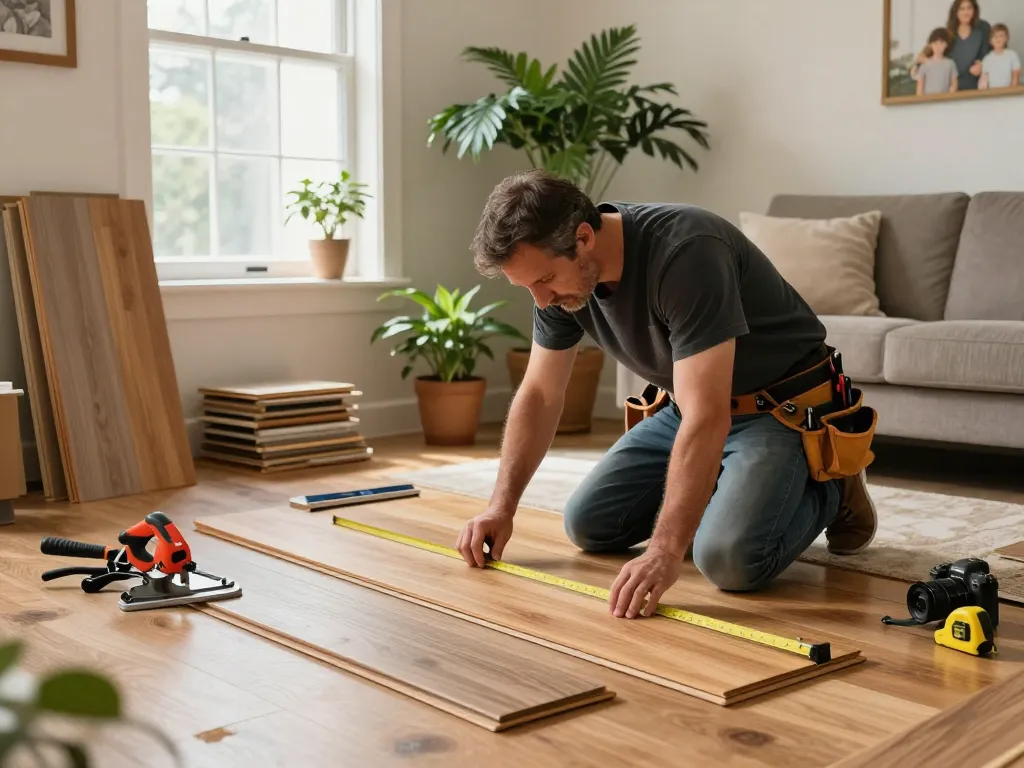
A flooring specialist is trained in the various aspects of floor installation, maintenance, and even repair. From assessing the needs of a client to selecting the most suitable materials, their role encompasses everything needed to ensure the perfect flooring solution is achieved. A specialist typically begins by visiting the site, measuring the area, and discussing design preferences with the homeowner. They are knowledgeable about the pros and cons of different flooring types, helping clients make informed decisions that align with their personal style, budget, and the intended use of the space.
Benefits of Hiring Flooring Professionals
- Expert Guidance: Flooring specialists provide essential advice on materials best suited for specific rooms or climates.
- Quality Installation: They ensure that floors are installed correctly, reducing the risk of future issues.
- Time Efficiency: Hiring professionals saves time, as they have the right tools and skills to complete jobs quickly.
- Warranty and Support: Many professionals offer warranties on their work, providing peace of mind for homeowners.
Differences Between General Contractors and Flooring Specialists
While general contractors have a broad skill set that allows them to oversee various aspects of home renovation, flooring specialists focus exclusively on flooring projects. This specialization means they are more adept at troubleshooting specific flooring problems and can provide a higher level of detail in their work. For instance, while a general contractor might manage a remodel, a flooring specialist can offer precise insights into the best type of flooring for moisture-prone areas, such as kitchens or basements.
Types of Flooring Options Available
Hardwood vs. Laminate: Pros and Cons
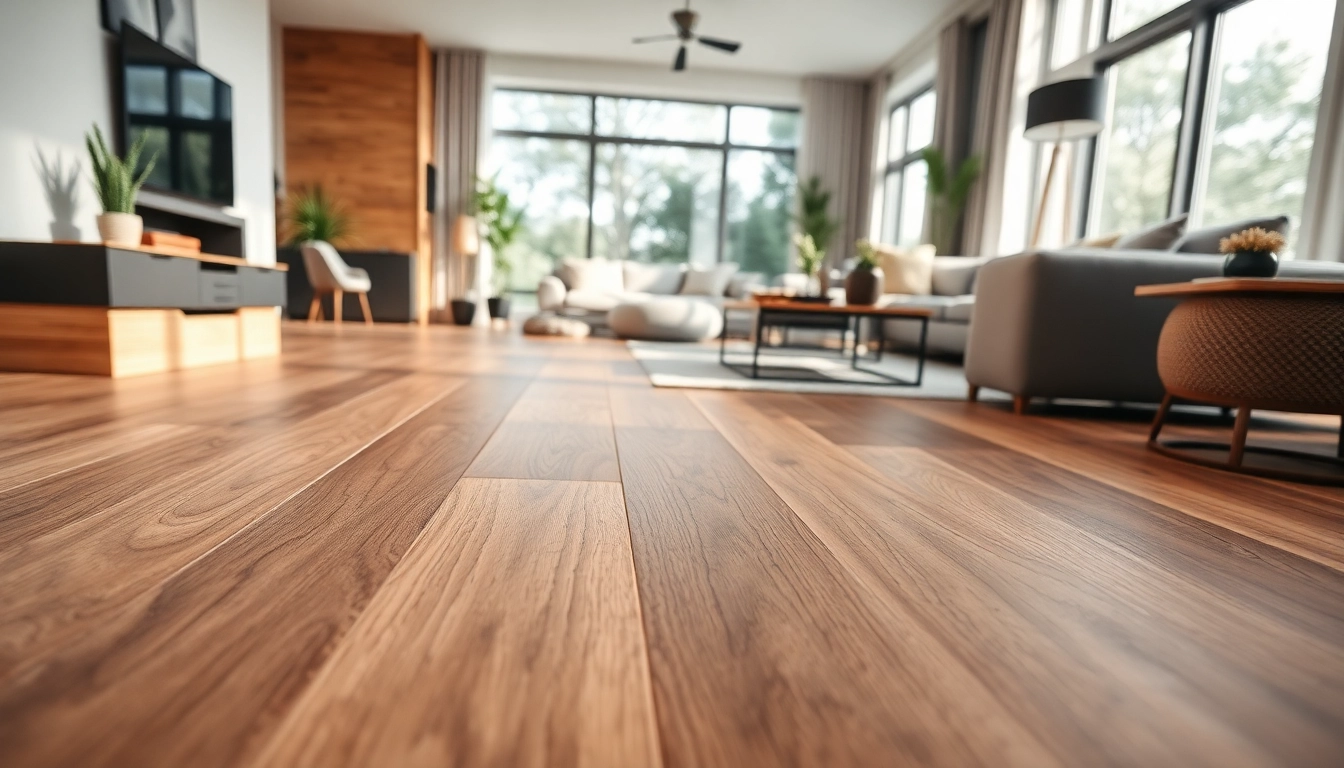
Choosing between hardwood and laminate flooring often comes down to budget and lifestyle needs. Hardwood flooring is known for its durability and timeless appeal, enhancing home value significantly but often comes with a higher price tag. In contrast, laminate flooring offers a more cost-effective solution that mimics the look of wood while being resistant to scratches and wear, making it ideal for families with pets and children.
Choosing Vinyl Flooring for Durability
Vinyl flooring has surged in popularity due to its remarkable durability and versatility. It is resistant to water and stains, making it a perfect choice for kitchens and bathrooms. With a variety of styles, including planks that resemble hardwood or tiles, vinyl flooring can suit any design aesthetic. Additionally, modern vinyl options are often softer underfoot and quieter than traditional materials.
Tile and Carpet Trends for 2026
As we look toward the future, trends in flooring are beginning to shift toward sustainable materials and innovative designs. Tile flooring is becoming increasingly popular due to its eco-friendliness, durability, and low maintenance requirements. Meanwhile, carpets are seeing a resurgence, particularly in luxury textures and bold colors, allowing homeowners to express their individuality through flooring choices.
Finding Flooring Specialists Near You
Using Online Directories and Reviews
Finding reputable flooring specialists has never been easier. Online directories like Yelp and Angie’s List provide customer reviews and ratings that can help you identify top-rated professionals in your area. When searching for flooring specialists near me, be sure to read reviews carefully to gauge customer satisfaction and reliability.
Local Recommendations and Word of Mouth
Never underestimate the power of word-of-mouth recommendations. Asking friends, family, or neighbors for their experiences with local flooring specialists can lead you to trustworthy professionals who have proven their skills. Additionally, local home improvement stores may have partnerships or recommendations for specialists who frequently work in your area.
Evaluating Credentials and Certifications
When you’ve narrowed down your options, be sure to evaluate their credentials. Look for certifications from recognized flooring associations, such as the National Wood Flooring Association (NWFA) or the American Floorcovering Alliance (AFA). These credentials indicate a commitment to quality and ongoing education in the field.
Cost Considerations for Flooring Installation
Budgeting for Different Flooring Types
Different flooring types come with varied price points. Homeowners should first establish a budget before choosing materials. For instance, hardwood flooring typically costs between $8 to $15 per square foot installed, while laminate may range from $1 to $5 per square foot. Vinyl flooring often falls in between, depending on the quality and installation intricacies.
Hidden Costs to be Aware Of
Many homeowners overlook factors that may affect the total cost of flooring installation. Hidden expenses can include additional underlayment, trim repairs, or removal of existing flooring. Be sure to discuss these potential costs with your flooring specialist to avoid surprises.
Financing Options for Flooring Projects
For those who wish to undertake larger projects, many flooring companies offer financing options. These may include payment plans or low-interest financing to make the investment more manageable. Always inquire about available options as they can significantly ease the financial burden of a flooring overhaul.
Future Trends in the Flooring Industry
Eco-Friendly Flooring Solutions
As sustainability becomes increasingly important, eco-friendly flooring options are gaining traction. Materials like bamboo, cork, and reclaimed wood are not only beautiful but also sustainable. These options reduce environmental impact and appeal to the eco-conscious consumer, making them a smart choice for today’s homeowners.
Smart Home Integration with Flooring Technology
With the rise of smart home technology, flooring is beginning to incorporate features that enhance convenience and comfort. For instance, smart flooring may include integrated heating systems or humidity control features, providing homeowners with control over their living environment at the touch of a button.
Design Trends: Personalization in Flooring Choices
Homeowners are increasingly looking to personalize their spaces, and flooring is no exception. Custom designs, unique patterns, and the use of multiple materials in a single space are in vogue. This trend allows individuals to express their tastes and create stunning visual effects within their homes.
What Should Homeowners Expect in 2026?
By 2026, homeowners will likely see a greater emphasis on intelligent flooring systems that adapt to user preferences and environmental changes. Innovations may lead to flooring that not only looks good but also enhances energy efficiency and comfort in the home.
How Do Flooring Specialists Stay Updated?
Staying current with industry trends is essential for flooring specialists. Many engage in continuous education, attend trade shows, and participate in workshops to ensure they are familiar with the latest materials and techniques. This commitment to professional development helps them provide the best service to their clients.