1. Introduction to Metal Roofing Toronto
Metal roofing has increasingly become a popular choice for homeowners looking to upgrade their assets in Toronto. As a highly durable and versatile option, it offers enhanced aesthetics and long-term performance compared to traditional roofing materials. More homeowners are recognizing the benefits of metal roofing toronto as they seek to improve energy efficiency and property value. This article will delve deep into the advantages of metal roofing, various options available, the installation process, maintenance tips, and answers to frequently asked questions.
What is Metal Roofing?
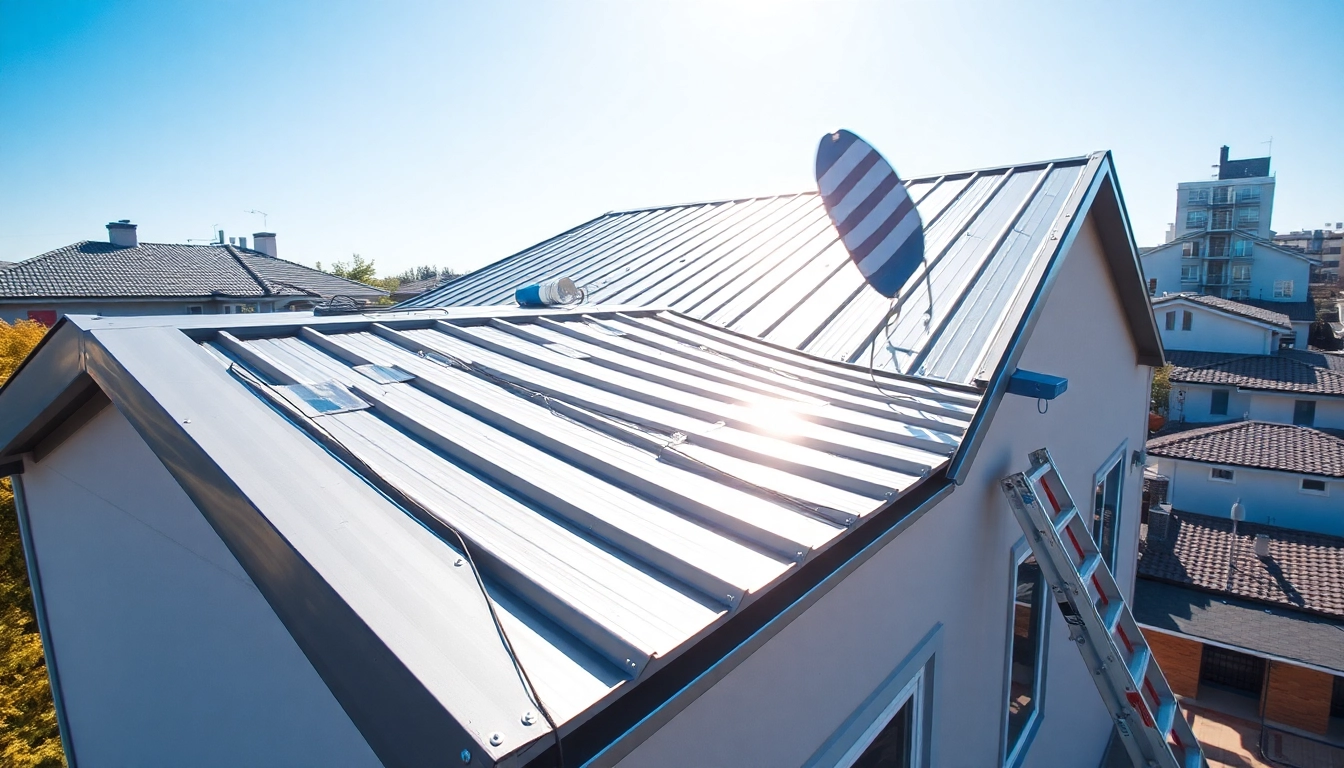
Metal roofing encompasses a wide range of roofing solutions made from metal materials, including steel, aluminum, copper, and zinc. Unlike conventional roofing options like asphalt shingles, metal roofing offers superior strength and reliability, often configured in panels or tiles. These roofs can be engineered to mimic the appearance of traditional materials while providing the robust benefits associated with metal. With a rise in eco-friendly materials, metal has emerged as a top contender in the roofing market.
Benefits of Choosing Metal Roofing
- Durability: Metal roofs can last 50 years or longer with proper installation and maintenance, significantly outlasting traditional roofing options.
- Energy Efficiency: Metal reflects solar heat, which can lead to reduced cooling costs in warmer months and enhancements in energy efficiency.
- Low Maintenance: Metal roofing requires less maintenance than shingles, reducing long-term costs associated with repairs or frequent replacements.
- Eco-Friendly: Many metal roofs are made from recycled materials and are entirely recyclable after their lifetime. This aligns with increasing demand for sustainable building practices.
- Wind Resistant: Unlike traditional roofing, metal roofs are designed to withstand strong winds, making them particularly well-suited for the fluctuating weather conditions in Toronto.
Comparative Costs and Longevity
The upfront cost of metal roofing may be higher compared to traditional asphalt shingles; however, when evaluating the long-term investment, the longevity and durability of metal roofing justify the initial expense. While shingles may require replacing every 15-20 years, metal roofs can last upwards of 50 years or more. Moreover, their resilience can lead to reduced insurance costs, enhanced home value, and lower energy bills, offsetting the initial investment over time.
2. Understanding Metal Roofing Options
Types of Metal Roofing Materials
When considering metal roofing toronto, there are several types of materials to choose from:
- Steel: Known for its strength and affordability, steel roofing can be galvanized or Galvalume coated for additional protection against corrosion.
- Aluminum: Lightweight and resistant to rust, aluminum is an excellent choice for coastal regions but can be more expensive than other options.
- Copper: Though pricey, copper offers a unique aesthetic that adds character to any building. Over time, it develops a distinctive patina.
- Zinc: Similar to copper, zinc is long-lasting and develops a protective layer when exposed to the elements, enhancing its durability.
Design and Aesthetic Choices
Metal roofing offers versatility in design, allowing homeowners to choose from an array of colors, finishes, and styles. From standing seam roofs to corrugated panels, metal roofing can complement any architectural style—from modern to traditional. Homeowners can select finishes that mimic the look of tile, slate, or wood, further enhancing the roof’s aesthetics. The broad palette of colors available also enables custom finishes that can match existing home exteriors.
Durability and Weather Resistance
Metal roofs are inherently better equipped to resist extreme weather conditions. With proper installation, they can withstand heavy snow loads, high winds, and even hail damage. Additionally, metal roofing’s impermeability prevents leaks, making them more reliable over time, especially in regions with severe weather patterns such as Toronto. Regular maintenance, including inspections and addressing any minor damage promptly, can ensure a long-lasting roof performance.
3. Installation Process of Metal Roofing Toronto
Preparation and Planning
The installation process begins with thorough planning and preparation. Homeowners should check local building codes and regulations regarding metal roofing to ensure compliance. It’s advisable to obtain multiple quotes from different contractors to compare pricing and service quality. Scheduling the installation during favorable weather conditions is crucial, as it helps avoid delays caused by rain or snow.
Choosing the Right Contractors
Selecting a qualified roofing contractor is paramount to the successful installation of a metal roof. Look for professionals with extensive experience in metal roofing, established reputations in the community, and positive customer reviews. Always verify insurance and licensing requirements to protect your investment. A reliable contractor will provide estimates, timelines, and warranty details transparently.
Step-by-Step Installation Guidance
The actual installation process entails several crucial steps:
- Remove Old Roofing: If applicable, old roofing materials need to be removed to ensure a secure fit for the new metal roofing.
- Inspect the Decking: Check for any damaged or rotten decking and replace it as necessary to create a solid foundation.
- Install Underlayment: A protective underlayment is essential for moisture protection and should be installed following the manufacturer’s guidelines.
- Begin Metal Panel Installation: Start from the eaves and work upward, ensuring that each panel overlaps properly with the adjoining section for maximum water resistance.
- Finish with Trim: Finally, install flashing and trim pieces to seal edges and create a finished look.
4. Maintenance Tips for Metal Roofing
Regular Inspection Checklist
Routine inspections ensure your metal roof remains in optimal condition. Homeowners should conduct inspections at least twice a year, focusing on the following areas: check for rust or corrosion, loose seams, dented sections, and blockages in gutters and downspouts. Any signs of damage or wear should be addressed immediately to prevent further issues.
Cleansing and Upkeep Practices
Despite being low-maintenance, metal roofs still require cleaning to preserve their appearance and functionality. Remove debris such as leaves and branches, confirming that gutters are clear. If necessary, use a gentle soap solution and a soft brush to clean the surface. Avoid using harsh chemicals or power washers, as these can damage the roofing material.
Common Repairs and How to Handle Them
Common repair issues include leaks, loose panels, and rust spots. Homeowners can patch small leaks using roofing sealant specifically designed for metal roofs. For loose panels, tighten screws or replace missing fasteners promptly. Rust can often be treated with rust-inhibiting primer and paint. However, persistent issues may need professional attention to ensure the repair’s longevity.
5. Frequently Asked Questions
What are the advantages of metal roofing?
Metal roofing provides durability, energy efficiency, low maintenance, eco-friendliness, and resilience against severe weather, making it a long-term investment.
How long does metal roofing last?
Quality metal roofing can last 50 years or more when installed and maintained properly, significantly exceeding the lifespan of traditional roofing materials.
Is metal roofing noisy during rain?
While some noise may occur during heavy rain, proper insulation and installation practices can dampen sound, making it comparable to other roofing types.
Can I install metal roofing over existing shingles?
Yes, metal roofing can often be installed over existing shingles without a tear-off, saving time and disposal costs, provided structural integrity is verified.
How do I maintain my metal roof?
Routine inspections, cleaning debris, and addressing minor repairs promptly are essential for maintaining metal roofs and ensuring long-term performance.