Understanding Flooring Options
When it comes to upgrading your home or business space, one of the most impactful changes you can make is selecting the right flooring. With a plethora of options available, it can be overwhelming to choose the perfect material that suits your needs and aesthetic preferences. Whether you are searching for luxurious vinyl planks or more traditional materials, knowing your options can help you make an informed choice. If you are in the process of searching for flooring near me, it is essential to understand the diverse types of flooring and their specific attributes.
Diverse Types of Flooring Near Me
Flooring can be classified into several categories, each offering unique benefits and characteristics. Here’s a closer look at some popular types:
- Hardwood Flooring: Known for its timeless appeal and durability, hardwood flooring adds warmth to any space. It comes in various species, finishes, and styles, which can complement almost any interior design.
- Laminate Flooring: A cost-effective alternative to hardwood, laminate mimics the look of wood or stone with a wear-resistant surface. It’s relatively easy to install and maintain, making it a popular choice.
- Tile Flooring: Durable and moisture-resistant, tile flooring is an excellent option for bathrooms and kitchens. It comes in various materials, including ceramic, porcelain, and natural stone.
- Carpet: Providing comfort and warmth, carpet is available in numerous colors and textures. It’s perfect for bedrooms and living areas, although it requires more maintenance than hard surfaces.
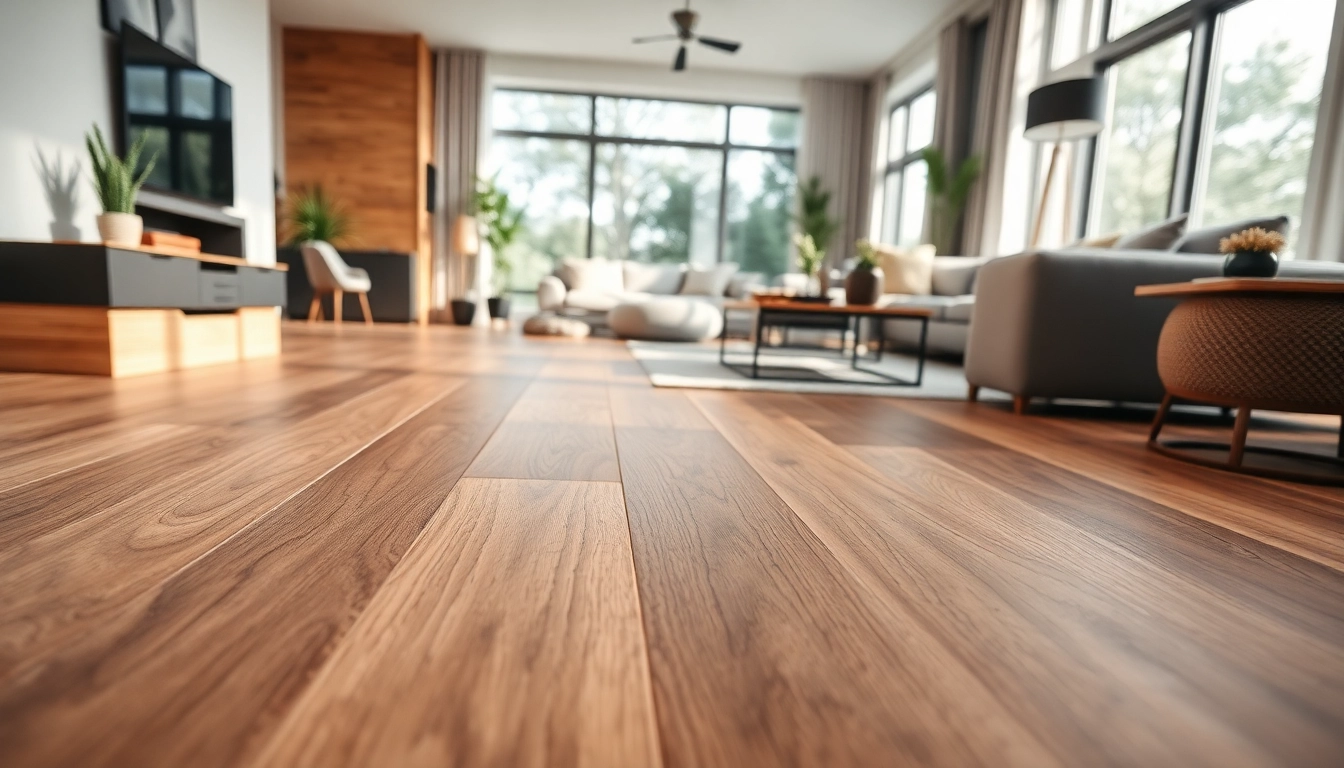
- Luxury Vinyl Flooring: Combining aesthetic appeal with practicality, luxury vinyl flooring is increasingly popular. This material offers stunning designs that resemble natural surfaces while being waterproof and easy to clean.
Benefits of Luxury Vinyl Flooring
Luxury vinyl flooring (LVF) has gained significant traction in interior design due to its unique advantages. Here are some key benefits of this flooring option:
- Water Resistance: LVF is often waterproof, making it ideal for high-traffic areas, kitchens, and bathrooms.
- Variety of Designs: With stunning visuals that can resemble hardwood, stone, or tile, LVF allows homeowners to choose styles that complement their decor without sacrificing function.
- Comfort and Sound Absorption: Luxury vinyl often feels softer and warmer underfoot compared to harder flooring options, which can also help in sound dampening.
- Ease of Installation: Most luxury vinyl flooring products feature a click-lock installation mechanism, making DIY projects more accessible.
- Low Maintenance: Regular sweeping and occasional mopping are usually sufficient to keep LVF looking its best.
Choosing the Right Flooring Material
Selecting the right flooring material can dramatically affect the overall feel of your space. Here are key considerations to guide your decision:
- Functionality: Consider the level of traffic the area will experience and any special requirements, such as moisture resistance in bathrooms.
- Style: Your flooring should complement the existing décor. Choosing a design that matches or enhances your interior style is crucial.
- Comfort: Think about how the flooring feels underfoot, especially in areas where you spend a lot of time.
- Environmental Impact: If sustainability is important, look for eco-friendly materials or those that are sourced responsibly.
Factors to Consider for Flooring Selection
Durability and Maintenance Requirements
The durability of flooring is paramount to its longevity and performance. Different materials require varying levels of maintenance:
- Hardwood: Requires periodic refinishing to maintain its look but can last for decades with care.
- Laminate: Known for its resilience, laminate can withstand wear and tear with minimal maintenance.
- Tile: Extremely durable and resistant to stains, tile is easy to clean but can be cold and hard underfoot.
- Carpet: While comfortable, carpets can stain easily and require regular cleaning to maintain hygiene.
- Luxury Vinyl: Generally low maintenance, LVF is resistant to scratches and dents, making it suitable for busy households.
Style and Design Compatibility
Before making a flooring decision, evaluate its compatibility with your space’s design. For example:
- Modern Spaces: Sleek, minimalistic designs can be complemented by polished concrete or large-format tiles.
- Traditional Homes: Warm hardwood or natural stone offer a classic look that fits well with traditional designs.
- Eclectic Spaces: An mix of flooring types can add character, as long as there’s a cohesive theme.
- Commercial Spaces: Durability is key, and materials like commercial carpet tiles or luxury vinyl are often chosen for their resilience.
Cost Considerations for Your Budget
Your flooring budget impacts the overall choice of material significantly. Here are cost considerations to keep in mind:
- Material Cost: Luxury vinyl can vary widely in price, but cheaper options are often available. Hardwood tends to be more expensive, especially if sourced sustainably.
- Installation Costs: Professional installation can increase the overall budget. Consider DIY-friendly options if you’re looking to save.
- Long-term Value: Sometimes spending more initially can save you money in the long run, thanks to durability and low maintenance.
Installation Process for New Flooring
Preparing the Space for Installation
Effective preparation is vital for a successful flooring installation. Take the following steps:
- Clear the Space: Remove all furniture and any existing flooring if necessary.
- Check the Subfloor: Ensure the subfloor is clean, dry, and level for the new installation.
- Acclimate Materials: Let new materials acclimate to the room’s temperature and humidity for a couple of days before installation.
Step-by-Step Installation Guide
While the installation process may vary based on flooring type, here’s a basic guide:
- Start on a dry day when the climate is stable, and set your tools and materials.
- Lay out the first planks in the corner of the room, making sure to leave expansion gaps as recommended.
- Use spacers to maintain gaps along the walls, and connect the planks as per the manufacturer’s instructions.
- Continue laying planks row by row until the space is filled, trimming pieces as necessary.
- Once installed, remove spacers and install baseboards or quarter rounds to cover gaps.
Post-Installation Care and Tips
After flooring installation, proper care ensures longevity:
- Cleaning: Regular sweeping and occasional mopping with a damp cloth are recommended, depending on the materials.
- Avoid Excess Water: For most flooring types, excess moisture can lead to damage; always use minimal water for cleaning.
- Use Protective Pads: Place furniture pads under chairs and tables to prevent scratches.
Locating Reliable Flooring Services
Searching for Flooring Near Me Options
Finding the right flooring services is crucial for a successful project. Here are tips for searching locally:
- Use Online Directories: Websites such as Yelp, Angie’s List, and Google Maps can lead you to local contractors.
- Ask for Recommendations: Seek recommendations from friends, family, or neighbors who have recently renovated their floors.
- Visit Showrooms: Physical showrooms allow you to see materials and speak directly with knowledgeable staff.
Evaluating Contractor Credentials and Reviews
Once you have potential flooring contractors in mind, vet them thoroughly:
- Check Licenses and Insurance: Ensure the contractor is licensed and has adequate insurance to protect against liability.
- Read Customer Reviews: Look for recent reviews on platforms such as Google or Yelp to gauge customer satisfaction.
- Ask for References: A reputable contractor should provide references from past clients for your verification.
Asking the Right Questions Before Hiring
Before making a final decision, ask potential contractors these questions:
- What is your experience with this type of flooring? Understanding their expertise can be crucial for complex installations.
- Can you provide a detailed estimate? A detailed estimate helps you understand the total cost before committing.
- What is your warranty policy? Knowing the warranty can provide peace of mind regarding the quality of installation.
Trends in Flooring Design
Current Trends in Flooring Near Me
Keeping abreast of current flooring trends can help you stay ahead in home design:
- Natural Looks: Materials that mimic natural textures like wood and stone are in high demand.
- Bold Patterns: Geometric designs or large tiles can add a contemporary touch to any room.
- Mixing Materials: Many homeowners are opting for eclectic spaces by combining different flooring types.
Incorporating Sustainable Materials
Sustainability is becoming increasingly important in flooring choice:
- Bamboo: An eco-friendly alternative to hardwood, bamboo is rapidly renewable and durable.
- Reclaimed Wood: Using preserved lumber adds character to your space while being environmentally friendly.
- Recycled Vinyl: Many luxury vinyl products are now made from recycled materials, significantly reducing environmental impact.
Future of Flooring Innovations and Styles
Looking to the future, trends and innovations in flooring will continue to evolve:
- Smart Flooring Systems: Technology is enabling flooring systems that can monitor foot traffic or even clean themselves.
- Textured Surfaces: Innovations are leading to the development of surfaces that are more tactile and visually appealing.
- Hybrid Flooring Options: Combination products that fuse elements of different flooring types may dominate future markets.
FAQs about Flooring Selection and Installation
What is the best flooring option for pets?
Luxury vinyl flooring and tile are excellent choices due to their durability and resistance to stains and moisture.
How long does it take to install new flooring?
The installation time depends on the size of the area and the type of flooring, but most installations can be completed in one to three days.
Can I install flooring myself?
Yes, many types of flooring, especially laminate and luxury vinyl, are DIY-friendly and can be installed without professional help.
What maintenance is required for hardwood flooring?
Hardwood floors require periodic refinishing, regular sweeping, and mopping with minimal moisture to maintain their beauty.
Are eco-friendly flooring options available?
Yes, options like bamboo, reclaimed wood, and recycled vinyl can provide sustainable flooring solutions.