
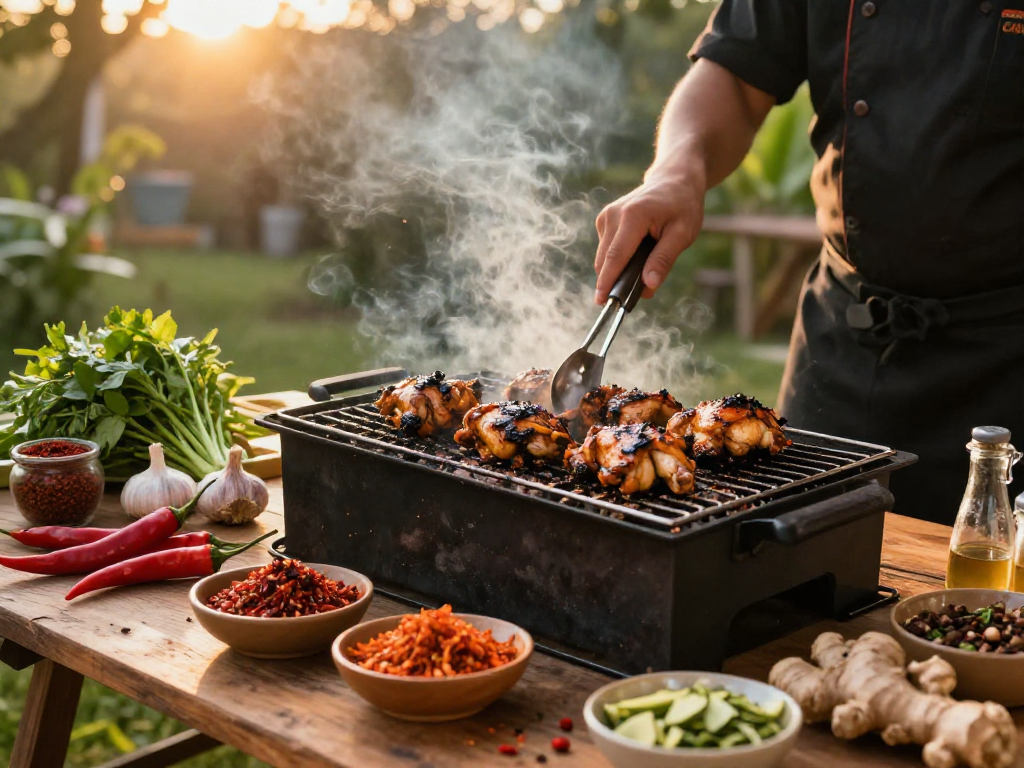
Understanding the Art of Grilling Chicken
Grilling chicken is not just about throwing a piece of meat on the grill; it's an intricate dance of flavors, techniques, and timing. In the realm of culinary arts, chicken stands out as one of the most versatile proteins available, making it a favorite for many grill enthusiasts. When prepared correctly, grilled chicken can be juicy, tender, and infused with aromatic flavors that tantalize the taste buds. To achieve this, understanding the nuances of marination, selecting the right chicken cuts, and employing effective grilling techniques is essential. For those who wish to deepen their knowledge and elevate their grilling game, https://sambalrawitankoko.com offers a wealth of information that can transform your cooking experience.
Why Proper Marination Matters
Marination is the cornerstone of flavor development in grilled chicken. A well-crafted marinade not only enhances the taste of the chicken but also tenderizes it, allowing for deeper flavor penetration. The key components of a good marinade include acidity, fat, and seasonings. Acids like vinegar or citrus juices help break down proteins, while oils add moisture and richness. The seasoning blend, which can range from herbs to spices, introduces unique flavors that define the dish. Allowing the chicken to marinate for at least a few hours—or even overnight—ensures that each bite is packed with flavor.
Choosing the Best Chicken Cuts for Grilling
Not all chicken cuts are created equal when it comes to grilling. While chicken breasts are popular for their lean meat, they can dry out quickly if overcooked. Thighs, wings, and drumsticks tend to retain moisture better, making them excellent options for grilling. The skin on these cuts can also enhance flavor when crispy. Additionally, bone-in pieces can impart more rich flavors during the cooking process. Understanding the characteristics of each cut will help grillers select the best options for their grilling adventures.
Essential Grilling Techniques for Perfect Results
The art of grilling chicken involves mastering various techniques to achieve the desired outcome. One of the most critical aspects is managing grill temperature. For chicken, a two-zone fire is often beneficial: a direct heat side for searing and an indirect heat side for cooking through without burning. This method allows for perfect crispiness on the outside while ensuring the interior is fully cooked.
Exploring Unique Flavors with Sambal
Sambal, a traditional Indonesian chili paste, is more than just a condiment; it’s a culinary marvel that can elevate grilled chicken to new heights. With its base of fresh chilies, vinegar, and spices, sambal brings a bold, spicy kick that complements grilled dishes perfectly. Experimenting with different types of sambal can help you discover unique flavor profiles that enhance your meal.
Types of Sambal and Their Flavor Profiles
There are numerous varieties of sambal, each with its distinct flavor and heat level. For instance, sambal oelek is a smooth chili paste that offers a clean, sharp heat. In contrast, sambal terasi incorporates shrimp paste for a richer, umami flavor. Understanding these profiles can help you choose the right sambal to match your chicken's preparation style and seasoning.
How to Create a Signature Sambal Recipe
Creating your own sambal allows for customization that can perfectly complement your grilled chicken. Start with a base of fresh chilies—jalapeños or Thai chilies are great choices—then add garlic, lime juice, and salt. Experiment with additional ingredients, such as roasted tomatoes or fruits like mango, to introduce sweetness that balances the heat. The key is to blend flavors until you achieve a harmonious taste that enhances your chicken dish.
Pairing Sambal with Grilled Dishes
The versatility of sambal makes it an excellent pairing for various grilled chicken dishes. Whether you are serving a classic grilled chicken marinated in herbs or a spicy version brushed with a chili glaze, sambal can enhance the experience. Its acidity can cut through the richness of the meat, providing a refreshing contrast that makes each bite enjoyable.
Techniques for Perfectly Grilled Chicken
Managing Grill Temperature for Optimal Results
Understanding how to regulate the temperature of your grill is crucial for achieving perfectly grilled chicken. High heat is ideal for searing, locking in juices and creating a flavorful crust. Once the chicken is seared, it should be moved to a cooler part of the grill to allow it to cook through without burning. A reliable instant-read thermometer can help you check for doneness, ensuring your chicken reaches an internal temperature of 165°F.
Understanding Direct vs. Indirect Heat
Grilling with direct heat involves cooking the chicken directly over the flames, which is great for achieving a crispy exterior. However, for thicker cuts, indirect heat is preferred. This technique involves placing the chicken away from the flames, allowing it to cook slowly and evenly, resulting in tender meat that retains moisture.
Using Wood Chips for Added Flavor
Incorporating wood chips into your grilling routine can significantly enhance the flavor of your chicken. Soaking the wood chips in water for at least 30 minutes before using them creates smoke that infuses the meat with a rich, smoky flavor. Choose wood varieties like hickory or applewood for distinct flavors that complement chicken beautifully.
Serving and Presentation Ideas
Creative Ways to Serve Grilled Chicken
Presentation plays a vital role in the dining experience, especially when serving grilled chicken. Consider serving chicken on a colorful platter adorned with fresh herbs and sliced citrus, which can add visual appeal. Pairing grilled chicken with vibrant sides such as grilled vegetables or a refreshing salad can create a well-rounded meal.
Setting Up a Festive Grilling Party
Hosting a grilling party provides an opportunity to showcase your culinary skills and enjoy time with friends and family. Create a festive atmosphere with outdoor lights and comfortable seating. Prepare a variety of chicken options, along with an array of sambals and sides for guests to mix and match. This interactive dining experience allows everyone to customize their plates and enjoy a unique meal.
Incorporating Seasonal Ingredients and Sides
Seasonal ingredients can elevate your grilled chicken dishes. For instance, pairing grilled chicken with summer corn salad or roasted autumn root vegetables can enhance flavors and freshness. Incorporating herbs and spices that align with the season also adds a thoughtful touch to your dishes.
Future Trends in Grilling and Food Pairing
Emerging Flavors and Techniques for 2026
As food trends continue to evolve, new flavors and techniques are emerging within the grilling scene. Expect to see more fusion dishes that incorporate flavors from global cuisines. Innovative grilling techniques, such as sous-vide before grilling, are gaining popularity for the precision they offer in cooking meats perfectly.
Health Trends in Grilling Practices
Health-conscious consumers are increasingly seeking leaner protein options and healthier cooking methods. Grilling remains a preferred cooking choice due to its ability to impart flavor without excessive fat. Additionally, marinades made from fresh herbs and spices can enhance nutrition while avoiding added sugars and preservatives.
How Sustainability is Shaping the Grilling Industry
Sustainability has become a significant focus for both consumers and producers in the grilling industry. Many are opting for locally sourced meats and organic produce to support their communities and reduce their carbon footprint. Sustainable grilling practices, such as using natural charcoal and eco-friendly grilling tools, are also on the rise.
What are the Best Grilling Tools and Accessories?
Investing in quality grilling tools can enhance your cooking experience. Essential tools include a reliable set of grilling tongs, a sturdy spatula, and a digital meat thermometer for precise cooking. Accessories like grill mats and baskets can make cooking delicate foods like vegetables easier, ensuring they don’t fall through the grates.
How to Troubleshoot Common Grilling Issues?
Even seasoned grillers encounter issues from time to time. Common problems include chicken sticking to the grill or uneven cooking. To prevent sticking, ensure the grill grates are clean and well-oiled before placing the chicken on them. If uneven cooking occurs, adjust the positioning of the chicken based on grill hot spots or use indirect heat to ensure even cooking.
What Should I Serve with Grilled Chicken?
The sides served alongside grilled chicken can greatly influence the overall meal. Fresh salads, roasted vegetables, or grains like quinoa or rice can complement the dish well. Additionally, serving various sambals allows guests to customize their experience with different flavors and spice levels.
How Can I Make My Sambal Spicier?
Enhancing the heat level of your sambal is simple. Start by adding more fresh chilies or experimenting with chili powders. For those who prefer a richer heat profile, incorporating ingredients like smoked paprika or cayenne can also elevate the spice. Taste-testing throughout the process ensures you find the perfect balance that suits your palate.
What is the Best Chicken for Grilling?
The best chicken for grilling depends on personal preference, but generally, bone-in, skin-on cuts are favored for their moisture and flavor. Thighs and wings are particularly popular among grillers due to their succulent texture and forgiving nature when it comes to cooking time.
How Do I Grill Without a Charcoal or Gas Grill?
If you don't have access to a traditional grill, alternative methods exist. Grilling on a stovetop grill pan can replicate the desired sear, while baking in the oven with a broiler can also create a crispy exterior. The key is to ensure proper ventilation and temperature control to mimic the grilling process.