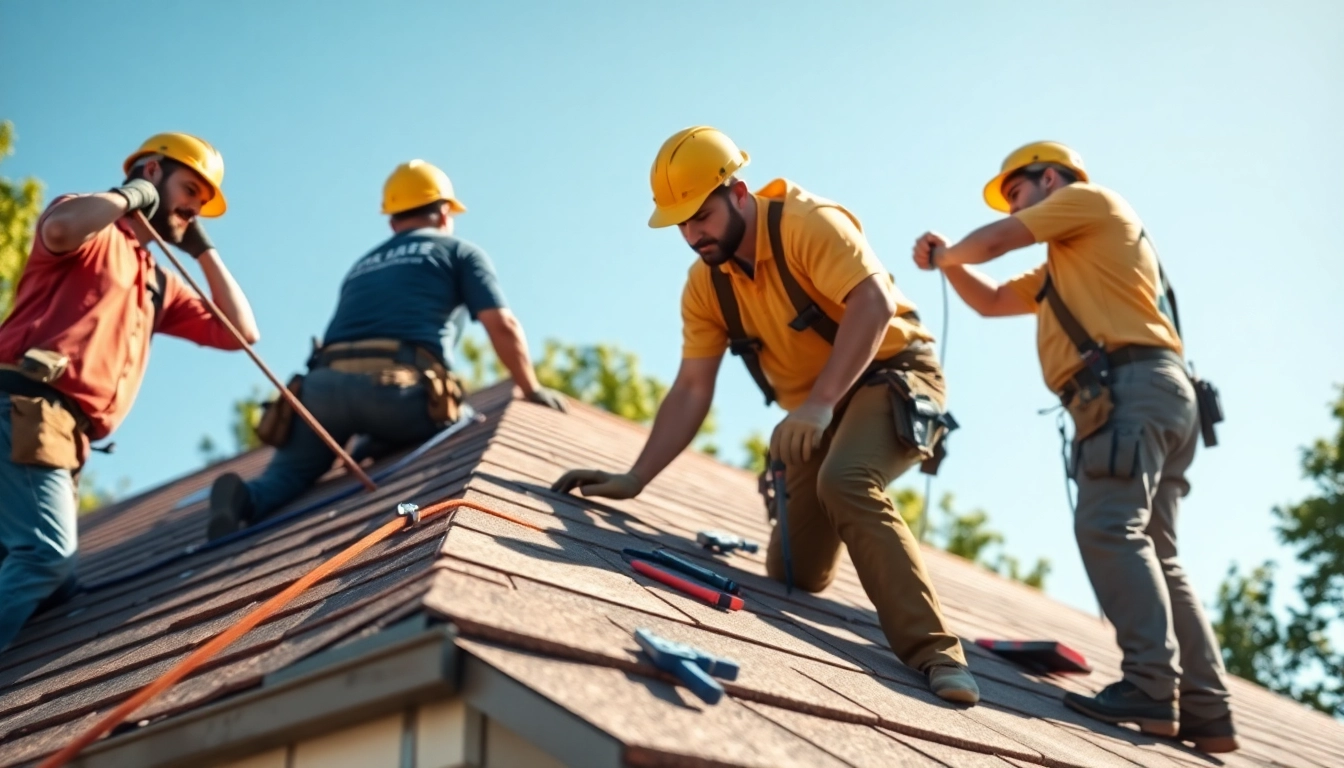
Introduction to the Roofing Company
Finding the right Roofing company can be a daunting task. With numerous options available in the industry, it’s essential to know what services these companies offer and how to assess their reliability. From providing residential roofing solutions to commercial roofing options and emergency repairs, each roofing company brings unique expertise that caters to diverse needs. This article will delve into the services provided by roofing companies, the importance of choosing a reputable one, tips for identification, advancements in roofing technology, and answers to frequently asked questions.
What Services Does Our Roofing Company Offer?
Your local roofing company generally offers a range of services tailored to meet the needs of both residential and commercial clients. These include:
- Roof Installation: New roofs are installed using high-quality materials to ensure durability and aesthetics.
- Roof Repairs: Timely repairs for weather damage, leaks, and wear are vital to maintaining the roof’s integrity.
- Maintenance Services: Regular inspections and maintenance help extend the life of your roof.
- Roof Replacement: When repairs aren’t enough, complete roof replacements are carried out using innovative techniques.
- Emergency Services: Quick response to urgent situations like storm damage or leaks during unexpected weather events.
The Importance of Choosing a Reputable Roofing Company
Choosing a reputable roofing company is crucial for several reasons. First, it ensures quality workmanship, which is essential for the longevity of your roofing system. A well-constructed roof can significantly enhance your home’s value and safety. Furthermore, reputable companies often use high-quality materials, which are integral to roof performance. They typically offer warranties that protect your investment, providing peace of mind. Finally, established companies tend to have better customer service, ensuring that your concerns are addressed promptly.
How to Identify Quality Roofing Companies
Identifying quality roofing companies involves research and careful consideration. Here are key steps to help you make informed decisions:
- Check Licenses and Insurance: Ensure that the company holds the necessary licenses and carries valid insurance. This protects you from liabilities in case of accidents.
- Look for Reviews and Testimonials: Websites, social media, and local directories can provide insights into past customer experiences.
- Evaluate Industry Experience: Look for companies with several years in business and a portfolio showcasing their work.
- Request References: Contact previous customers to gather insights on their satisfaction with the service provided.
Key Services Provided by Roofing Company
Residential Roofing Solutions
Residential roofing solutions are designed to enhance the aesthetic and functional aspects of homes. Common materials used include asphalt shingles, metal roofing, tile, and slate. Each material carries distinct advantages:
- Asphalt Shingles: Cost-effective with a variety of styles, they are prevalent in North America.
- Metal Roofing: Known for durability and energy efficiency, metal roofs are becoming increasingly popular.
- Tile and Slate: These options are long-lasting and add elegance but often come with a higher price tag.
Choosing the right material depends on budget, climate, and personal taste. A trusted roofing company can help assess the best options tailored for your home.
Commercial Roofing Options
Commercial roofing differs from residential roofing in both design and materials. Flat or low-slope roofs are common in commercial properties and require specialized knowledge for installation and maintenance. Materials typically used include:
- EPDM (Ethylene Propylene Diene Monomer): A durable synthetic rubber roofing membrane essential for its waterproof properties.
- TPO (Thermoplastic Polyolefin): Increased energy efficiency and strong seam durability make TPO a preferred choice.
- Modified Bitumen: A hybrid product blending asphalt and polymer materials, offering versatility and ease of installation.
Effective commercial roofing solutions ensure energy efficiency, aesthetics, and long-lasting protection from the elements.
Emergency Roofing Repairs
Emergency roofing repairs are critical in safeguarding your property from further damage. Typical emergency situations include storm damage, falling trees, and sudden leaks. A professional roofing company should provide quick responses, typically with the following steps:
- Assessment: Evaluate the situation to determine the extent of damage.
- Tarp Installation: Temporary solutions like placing tarps prevent further exposure to the elements.
- Repair Work: Conduct necessary repairs or replacements, ensuring the roof is secure.
Having a reliable roofing company on call for emergencies can save you from extensive damage and costs.
Choosing the Right Roofing Company
Factors to Consider When Selecting a Roofing Company
Selecting the right roofing company involves considering several factors to ensure that you receive quality service. Here are some key factors:
- Experience: Choose a company that has been in business for several years and specializes in the type of roofing service you need.
- Reputation: Look for companies with positive reviews and a strong local presence.
- License and Insurance: Verify that the company is appropriately licensed and insured to protect both them and you during the project.
- Comprehensive Estimates: A reliable company should provide a detailed estimate, including materials and labor costs.
Questions to Ask Before Hiring a Roofing Company
Before making a final decision, consider asking the following questions:
- What warranties do you offer on your work and materials?
- How do you handle unforeseen costs during the project?
- Can you provide references or examples of previous work?
- What safety protocols do you follow on the job site?
Asking such questions allows you to gauge the expertise and reliability of the roofing company.
Understanding Roofing Company Reviews and Ratings
Reviews and ratings are a powerful tool in assessing roofing companies. Many consumers rely on online platforms to share their experiences. Here’s how to interpret these reviews:
- Read Multiple Reviews: Look at a variety of reviews across different platforms to get a well-rounded perspective.
- Pay Attention to Recurring Themes: If multiple reviews mention similar issues, it’s worth noting.
- Look for Responses: Companies that engage with reviews show commitment to customer satisfaction.
Reviews offer insights into what you can expect, so they should weigh heavily in your decision-making process.
Advancements in Roofing Technologies
Eco-Friendly Roofing Materials
Eco-friendly roofing materials continue to gain traction as more homeowners seek sustainable options. Such materials include:
- Recycled Shingles: These utilize recycled asphalt and reduce waste.
- Green Roofs: Allow vegetation to cover roofs, enhancing insulation and improving air quality.
- Metal Roofs: Durable and recyclable, metal roofs can reflect solar energy, reducing cooling costs.
Besides their environmental benefits, these options can lead to significant long-term energy savings and aesthetic appeal.
Innovative Installation Techniques
Advancements in roofing installation techniques have improved efficiency and safety. Some of these innovations include:
- Drone Technology: Drones provide aerial inspections, offering comprehensive views of the roof layout.
- 3D Printing: For prototype roof components, 3D printing is proving to be an efficient solution.
- Thermal imaging: Used to identify insulation issues before installation, optimizing energy efficiency.
These innovations not only enhance the installation process but also minimize risks and improve overall project quality.
The Future of Smart Roofs
Smart roofs are an emerging trend that integrates technology with roofing materials. Features may include:
- Temperature Regulation: Smart roofs can adjust to weather conditions, regulating internal temperatures.
- Energy Generation: Solar panels can be integrated directly into roofing systems to harness solar energy.
- Leak Detection Sensors: Sensors can alert homeowners to unforeseen issues before they escalate.
As they become more prevalent, smart roofs represent a significant leap forward in roofing technology, aligning functionality with sustainability.
FAQs About Roofing Company Services
What is the average lifespan of a roof?
The average lifespan of a roof varies by material: asphalt shingles last about 20-25 years, while metal roofs can last 40-70 years depending on maintenance and installation quality.
How often should I inspect my roof?
Professionals recommend inspecting your roof at least twice a year and after major storms to identify potential issues early and maintain its longevity.
What factors affect roofing costs?
Roofing costs are influenced by material choice, the complexity of the roof design, labor rates, and the size of the area being covered, as well as any additional features or repairs required.
Do roofing companies offer warranties?
Yes, reputable roofing companies typically offer warranties on both materials and workmanship, safeguarding your investment against future issues.
How long does a roofing project typically take?
Project duration varies based on roofing type and complexity, but most installations can be completed within a few days to a week, excluding weather delays or unforeseen complications.