Understanding Flooring LVP: Basics and Benefits
What is Flooring LVP?
Flooring LVP, or Luxury Vinyl Plank, is a popular type of flooring designed to mimic the appearance of natural wood or stone while providing enhanced durability. This type of flooring is composed of several layers: a backing layer for support, a waterproof core for stability, a high-resolution printed layer for visual appeal, and a protective wear layer that resists scratches and scuffs. This construction makes flooring lvp suitable for a variety of applications in both residential and commercial spaces.
Key Advantages of Flooring LVP
One of the primary advantages of flooring lvp is its durability. Unlike traditional hardwood or tile, LVP can withstand heavy foot traffic, resist moisture, and endure various environmental conditions. Additional benefits include:
- Cost-Effectiveness: Typically, flooring LVP is less expensive than traditional flooring options, providing great value for homeowners.
- Low Maintenance: It is easy to clean and requires minimal upkeep, making it an ideal choice for busy households.
- Design Versatility: LVP comes in a range of colors, textures, and styles, allowing homeowners to match their preferences and existing decor easily.
- Comfort: The softer surface of LVP compared to hard surfaces like tile or wood makes it more comfortable to walk on, particularly for those who spend extended periods on their feet.
Common Misconceptions
Despite its growing popularity, there are misconceptions surrounding flooring lvp. Some people may assume it lacks the character and warmth of natural wood, but advancements in technology have ensured that LVP can closely replicate the look and feel of real materials. Others may believe that it is flimsy or cheap; in reality, high-quality LVP can last for years, retaining its aesthetic appeal and functionality.
Choosing the Right Style of Flooring LVP
Trends in Flooring LVP Design
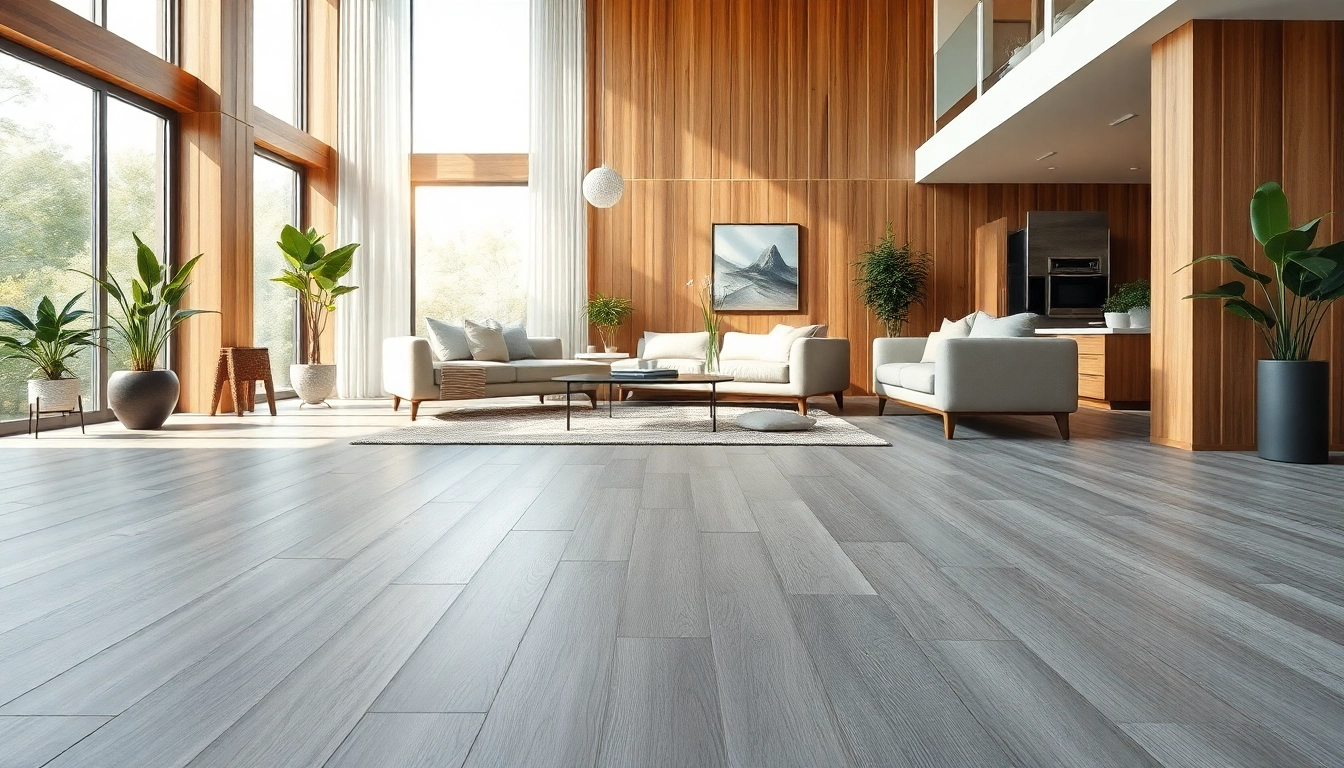
Today, flooring LVP design trends reflect a blend of modern aesthetics and classic appeal. Popular trends include:
- Wide Planks: Wider planks create a more open and airy feel, making rooms look larger.
- Textured Finishes: Surface textures add depth and realism to choices that mimic natural materials.
- Bold Colors: Shades like dark grey or rich espresso can make a dramatic statement, while lighter tones offer timeless elegance.
- Herringbone Patterns: This classic layout has made a resurgence, adding sophistication to spaces.
Color Selection for Your Space
Choosing the right color for your flooring lvp can significantly impact the overall aesthetic of your room. Light colors can brighten and enlarge a space, while dark colors provide a cozy, intimate feel. It’s crucial to consider how natural light affects color throughout the day and to choose shades that complement your furnishings and wall colors.
Textures and Finishes Explained
Texture plays an important role in the appearance and feel of flooring lvp. Textures such as handscraped or wire-brushed mimics the characteristics of natural wood. Additionally, finishes can vary from matte to glossy, further influencing the aesthetic appeal and maintenance needs of the flooring. Consider the traffic level of each space when choosing texture and finish; smoother surfaces may be easier to clean, while textured surfaces can hide scuffs and scratches more effectively.
Installation Process of Flooring LVP
Pre-Installation Preparations
Before installation, ensure the subfloor is clean, dry, and smooth. Any irregularities may affect how the LVP lays and performs. It’s also important to acclimate the flooring planks to room temperature for at least 48 hours to prevent expansion or contraction issues after installation.
Step-by-Step Installation Guide
The installation of flooring lvp can typically occur in several straightforward steps:
- Prepare the Subfloor: Make sure it is clean and level.
- Gather Materials: Have your planks, underlayment, and installation tools ready.
- Lay the Underlayment: If required, roll out the underlayment to provide cushioning and sound insulation.
- Start Installing Planks: Begin in a corner and work your way across the room, ensuring proper alignment.
- Cut as Needed: Use a utility knife or saw to trim planks as necessary to fit around corners and edges.
- Ensure Stability: Follow the manufacturer’s guidelines for spacing and locking mechanisms to prevent movement.
Hiring Professionals vs. DIY
While installing flooring lvp can be a DIY project for experienced homeowners or enthusiasts, hiring professionals may be advisable for those unfamiliar with flooring installations. Professionals can ensure that the job is done correctly and efficiently, which can save time and effort in the long run. Additionally, improperly installed flooring can lead to future issues, such as warping or premature wear.
Maintaining Your Flooring LVP
Best Practices for Longevity
To prolong the life of your flooring lvp, follow these maintenance best practices:
- Regular Cleaning: Sweep or vacuum regularly to remove dirt and debris that can scratch the surface.
- Use the Right Cleaners: Avoid harsh chemicals; instead, use a pH-neutral cleaner designed for vinyl.
- Protect High-Traffic Areas: Consider area rugs or mats at entryways to minimize wear.
- Avoid Excessive Moisture: While LVP is moisture-resistant, standing water can still cause damage.
Common Cleaning Mistakes
When it comes to cleaning flooring lvp, common mistakes to avoid include using abrasive scrubbers or steam mops, as these can inadvertently damage the wear layer. Additionally, neglecting spills can lead to stains or permanent damage. Regular maintenance is key to preserving the beautiful appearance of your flooring.
Repairing Damages
In case of scratches or minor dents, many flooring LVP products come with a repair kit or some provide warranty options for damages. For deeper scratches, consider using a vinyl floor repair kit or hiring a professional, especially if the damage affects the integrity of the flooring. Prompt repairs can prevent further deterioration and maintain the overall look of your space.
Frequently Asked Questions about Flooring LVP
How durable is flooring lvp?
Flooring lvp is designed to withstand heavy foot traffic and is resistant to scratches and stains. It can last up to 25 years with proper care.
Can flooring lvp be used in bathrooms?
Yes, flooring lvp is moisture-resistant, making it suitable for bathrooms and kitchens, unlike traditional hardwood flooring.
Are there eco-friendly options for flooring lvp?
Many brands offer eco-friendly flooring lvp made from recycled materials and free from harmful chemicals, suitable for sustainable living.
What is the cost range for flooring lvp?
The cost of flooring lvp varies widely, typically ranging from $2 to $7 per square foot, depending on the design and quality.
How do I install flooring lvp over existing floors?
Installation of flooring lvp over existing floors is possible if the surface is smooth and even. Ensure proper underlayment is used for best results.