Understanding Mini Split AC Systems
What is a Mini Split AC?
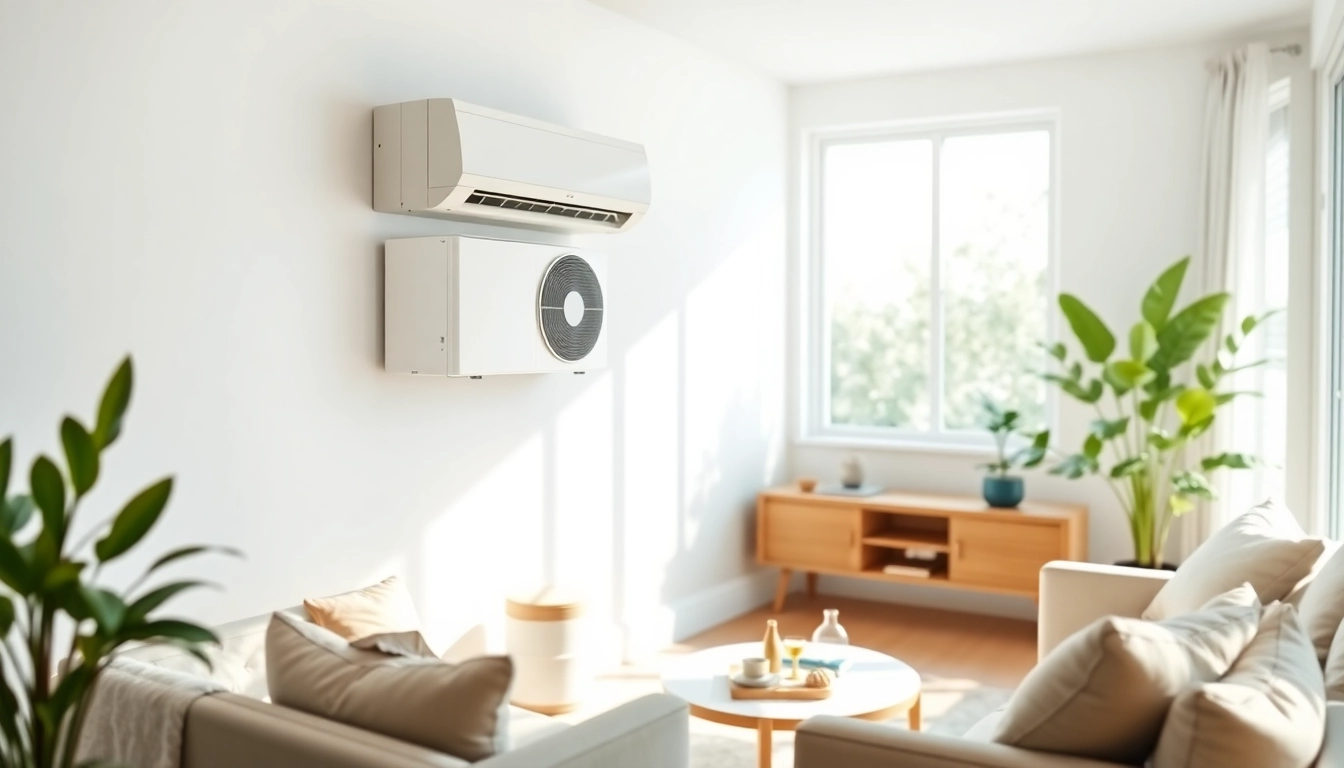
A mini split AC is a compact, efficient air conditioning system designed for homes and businesses. Unlike traditional systems that require ductwork, mini split ACs consist of two primary components: an indoor unit and an outdoor condenser. This design allows for flexible installation and the ability to efficiently cool specific rooms or zones, making them increasingly popular in modern HVAC systems. The versatility and easy installation make the mini split ac an attractive option for many homeowners looking to enhance their comfort without extensive renovations.
Benefits of Mini Split AC Systems
Mini split AC systems offer a plethora of benefits that cater to both comfort and efficiency:
- Energy Efficiency: Mini splits are known for their high energy efficiency ratings. Traditional systems can lose significant energy through ductwork, but mini splits deliver cool air directly to the room, minimizing energy loss.
- Flexible Installation: As they don’t require ducts, these systems can be installed in various configurations, making them ideal for homes without existing ductwork.
- Zone Cooling: Mini split systems allow users to cool specific zones within a house, giving homeowners greater control over their indoor climate and potentially lowering energy bills.
- Quiet Operation: The outdoor unit operates quietly, and many indoor units are designed to reduce noise, ensuring a peaceful environment.
- Heating Functionality: Many mini split systems also provide heating capabilities, functioning as heat pumps, which can offset the installation of separate heating systems.
How Mini Split AC Differs from Traditional Systems
Mini split AC systems differ from traditional HVAC systems in several key areas:
- Ductless Design: Traditional systems often rely on ductwork for air distribution, causing potential energy loss through leaks or inefficient air flow. Mini splits eliminate this issue by distributing air directly from the indoor unit.
- Installation Flexibility: Mini splits can be installed in various locations, including difficult-to-reach spaces, without the need for extensive remodeling.
- Individual Climate Control: With mini splits, each room can be controlled independently, leading to enhanced comfort and reduced energy consumption.
- System Size and Capacity: Mini splits usually come in smaller capacities, making them suitable for residential spaces where traditional systems may be oversized.
Choosing the Right Mini Split AC
Factors to Consider When Selecting
When selecting a mini split AC, several factors come into play:
- Room Size: The cooling capacity, measured in BTUs (British Thermal Units), must be suitable for the room size. Under-sizing can lead to inadequate cooling, while over-sizing can waste energy.
- Energy Efficiency: Look for models with a high SEER (Seasonal Energy Efficiency Ratio) rating to ensure energy savings over time.
- Installation Requirements: Evaluate the installation spaces available, including wall space for indoor units and suitable locations for the outdoor unit.
- Noise Levels: Consider the noise levels of both the indoor and outdoor units, particularly if the AC will be placed in a bedroom or study.
- Special Features: Features such as programmable thermostats, Wi-Fi compatibility, and air filtration systems can enhance usability and comfort.
Sizes and Capacities Explained
Mini split systems are available in various sizes, measured by BTUs. Here’s a basic guideline:
| Room Size (sq ft) | Recommended BTU |
|---|---|
| 100 – 200 | 5,000 – 7,000 |
| 200 – 300 | 7,000 – 9,000 |
| 300 – 400 | 9,000 – 12,000 |
| 400 – 500 | 12,000 – 14,000 |
Selecting the appropriate size is crucial to ensure optimal performance and efficiency.
Cost Analysis: Budgeting for Your System
Investing in a mini split AC involves several cost considerations:
- Purchase Price: The price of a mini split unit varies widely based on brand, model, and energy efficiency ratings, typically ranging from $700 to over $3,000.
- Installation Costs: Professional installation can range from $500 to $2,000, depending on the complexity of the setup.
- Operating Costs: Energy efficiency impacts monthly operating costs; higher SEER ratings usually correlate with lower utility bills.
- Maintenance Costs: Regular maintenance is essential for performance, with costs typically ranging from $100 to $300 annually.
It’s advised to calculate total costs over the expected lifespan of the system to make a well-informed investment decision.
Installation Process for Mini Split AC
DIY Installation: Pros and Cons
While many homeowners consider installing a mini split AC themselves, it’s essential to weigh the pros and cons:
- Pros:
- Cost savings on professional installation fees
- Increased understanding of the system’s functioning
- Cons:
- Potential issues if not installed correctly, leading to inefficiency
- Safety hazards during installation, especially when handling electrical components
- Potential voiding of warranty if not professionally installed
Hiring Professionals: What to Expect
If you decide to hire professionals for the installation, here’s what to expect:
- Consultation: A technician will assess your space and recommend the appropriate type and size of unit.
- Installation Process: The installation typically takes a few hours. The technician will mount the indoor and outdoor units, drill holes for lines, and connect necessary electrical components.
- Final Checks: After installation, the technician will test the system to ensure optimal functioning and provide you with maintenance tips.
Essential Tools for Installation
If you’re considering a DIY installation or curious about professional jobs, here are essential tools required:
- Drill and drill bits
- Refrigerant gauge set
- Pipe wrenches
- Vacuum pump
- Level and measuring tape
Having the right tools on hand can make the installation process more effective, whether you decide to go the DIY route or hire professionals.
Maintenance Tips for Mini Split AC Systems
Routine Maintenance Checklist
Maintaining your mini split AC system is vital for efficiency and longevity. Here’s a routine checklist:
- Clean or replace the air filters monthly, particularly during peak usage times.
- Inspect the outdoor unit for debris, ensuring vents are clear of obstructions.
- Check and tighten electrical connections and components annually.
- Schedule professional maintenance once a year for comprehensive system checks.
Common Issues and Troubleshooting Tips
Being aware of common issues can save time and costs:
- Not Cooling Enough: This may be due to dirty filters or low refrigerant levels. Cleaning filters regularly and checking refrigerant levels can help.
- Unusual Noises: Strange sounds can indicate loose parts or debris stuck in the system. A careful inspection may resolve the issues.
- Air Leaks: Check for visible leaks around the unit; sealing them can enhance efficiency.
When to Call a Technician
While many issues can be addressed by homeowners, certain situations necessitate professional help:
- Persistent cooling issues even after maintenance efforts have been made.
- Foul odors emitting from the unit.
- Electrical issues or power failures associated with the unit.
- If there’s visible frost on the outdoor unit, indicating possible refrigerant issues.
Enhancing Efficiency with Mini Split AC
Utilizing Smart Thermostats
Smart thermostats are valuable additions to enhance mini split efficiency:
- They allow for programmable settings, ensuring your mini split operates only when needed.
- Remote access features make it easy to control from anywhere, allowing for optimal adjustments based on your schedule.
Seasonal Adjustments for Optimal Performance
Making seasonal adjustments can significantly improve the effectiveness of your mini split AC:
- In winter, switch to heating mode if your unit has heat pump capabilities.
- During summer, set your AC to a higher temperature when you’re away, conserving energy.
Energy Saving Tips to Reduce Costs
Implementing energy-saving strategies can keep costs low:
- Close curtains or blinds during the day to reduce heat gain.
- Utilize ceiling fans to circulate cool air more efficiently.
- Ensure regular maintenance to keep the systems running efficiently.
FAQs about Mini Split AC Systems
1. How long do mini split systems last?
With proper maintenance, a mini split system can last between 12-20 years. Regular servicing enhances longevity.
2. What maintenance is required for mini split ACs?
Regular tasks include cleaning or replacing air filters, checking refrigerant levels, and professional servicing once a year is recommended.
3. Can mini splits be used for heating?
Yes, many mini split models also function as heat pumps, providing both heating and cooling, making them versatile year-round solutions.
4. How efficient are mini split systems?
Mini split systems are highly efficient, often boasting SEER ratings of 15+; this translates to lower energy bills compared to traditional systems.
5. Do mini splits need ductwork?
No, mini split systems do not require ductwork. They are designed to function as ductless air conditioning systems, delivering air to each zone directly.